- Trusted Electrical & Handyman Services Across Cape Town
Off-Grid Solar Installation in Cape Town
Looking for off-grid solar installation in Cape Town? RomElectrical helps property owners explore solar panels, battery storage, inverter systems and backup power options based on their electricity requirements. Whether you are planning an energy system for a remote property or want greater resilience during power interruptions, choosing the right solar configuration starts with understanding your property’s energy demand and the regulations that apply.
A true off-grid solar system operates independently of the electricity grid and relies on solar generation, battery storage and, in some cases, a backup generator. However, a property connected to the City of Cape Town’s electricity supply must take account of the City’s current solar authorisation rules before choosing an off-grid arrangement.
For many grid-connected homes and businesses, a compliant hybrid solar system with battery backup may be a more practical option. Explore our solar installation services in Cape Town to understand the available system options.
- Licensed Professionals
- Same-Day Service Available
- Upfront Pricing
- 100% Customer Satisfaction
Get Your Free Quote Today
Tell us about your project or electrical issue, and we’ll get back to you as soon as possible. Most enquiries receive a response within one business hour.
- Your information is safe and Confidencial
Emergency Sevice
We are here when you need us most
Any Service Call
Limited time offer. Not valid with others offer
Finacing
Available for Quality Customers
TESTIMONIAL
What Our Customers Say
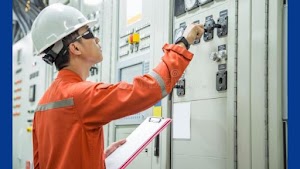













What Is an Off-Grid Solar System?
An off-grid solar system generates and stores electricity without relying on a conventional grid connection for its normal operation. Solar panels produce electricity during daylight hours, an inverter manages the system’s electrical supply, and batteries store energy for use when solar production is insufficient.
Depending on the design, a system may include:
Solar photovoltaic panels to generate electricity.
An off-grid inverter suitable for the intended electrical loads.
Battery storage to supply electricity after sunset and during periods of low solar generation.
Solar charge control and battery management equipment.
Electrical protection, isolation and correctly sized wiring.
A backup generator where required for extended periods of poor solar production.
Energy monitoring to help track generation, consumption and battery performance.
The equipment must be designed to work together. Panel capacity, inverter output, battery storage and the property’s daily energy use all affect how reliably a system can supply electricity.
Important: Off-Grid Solar Rules in Cape Town
Before arranging off-grid solar installation in Cape Town, it is essential to check the property’s electricity connection and the applicable municipal requirements.
The City of Cape Town states that, since 1 October 2023, new solar PV and/or battery systems are treated as grid-tied systems for its authorisation process. These systems must use City-approved inverters, have professional sign-off and be authorised before switching on. The City also states that it is no longer accepting applications for new standby and off-grid systems because of the risks involved.
Read the City of Cape Town’s official embedded generation authorisation guidance.
This distinction matters if your home or business is already connected to the municipal electricity supply. A system intended to provide backup during load-shedding is not automatically the same as a genuinely off-grid system.
Before purchasing equipment, establish whether the property can use the proposed configuration under the applicable rules. Where a property has no grid connection, different technical and regulatory considerations may apply; confirm these with the relevant authorities and a suitably qualified professional.
Off-Grid Solar Installation Services and System Options
The right solar arrangement depends on the property’s location, energy consumption, available roof or ground space, battery requirements and connection to the electricity grid.
Residential Solar Power Systems
Residential solar installations need to account for everyday electricity use, including lighting, refrigeration, entertainment equipment, computers, water pumps and other household appliances. Larger appliances may require substantial inverter capacity and battery storage.
For homes connected to the municipal grid, a compliant system may be designed to supply selected circuits during power interruptions and use stored energy when required.
Learn more about residential solar installation in Cape Town.
Commercial Solar Power Systems
Commercial properties can have more demanding or variable electricity requirements. Offices, retail premises, workshops and other businesses may need to consider computers, security systems, refrigeration, lighting, machinery and other essential equipment.
A commercial solar assessment should consider daytime demand, operating hours, starting loads, backup priorities and available installation space.
Explore commercial solar installation in Cape Town for more information about business solar projects.
Solar Panels and Energy Generation
Solar panels are the primary source of electricity in a solar PV system. The number and capacity of panels required depend on the property’s daily consumption, expected solar production, roof orientation, shading and the system’s operating requirements.
Panel design must also match the inverter’s permitted voltage, current and input configuration.
Find out more about solar panel installation in Cape Town.
Solar Batteries and Energy Storage
Battery storage allows a solar system to store energy for later use. The appropriate battery capacity depends on the appliances you need to operate, their energy consumption and the length of time the system must supply them.
Battery selection should consider compatibility with the inverter, usable capacity, charging limits, operating conditions and future expansion requirements.
Explore solar battery installation in Cape Town and solar battery backup installation.
Solar Inverters and Hybrid Systems
The inverter converts and manages electricity for the property’s electrical system. A suitable inverter must match the planned solar array, battery configuration, expected load and operating mode.
For a grid-connected property in Cape Town, a compliant grid-tied hybrid system may provide battery backup without attempting to establish a new standalone off-grid arrangement.
Learn more about solar inverter installation in Cape Town and hybrid inverter installation.
Solar Backup Power
Solar backup systems are designed to keep selected appliances operating when the main electricity supply is interrupted. Backup performance depends on the inverter’s capabilities, battery capacity, battery charge and the loads connected to the backup circuits.
Visit our solar backup power installation page to explore this option.
Off-Grid Solar vs Hybrid Solar: What Is the Difference?
The main difference is whether the system relies on an electricity grid connection.
Off-Grid Solar
A genuine off-grid system operates independently of the grid. It needs sufficient solar generation and battery storage to meet the property’s energy demand, including periods of low sunlight. A backup generator may be considered where the system design requires additional resilience.
Off-grid systems are commonly considered for properties without a suitable grid connection. Their technical suitability and the permissions required must be assessed for the specific site.
Hybrid Solar
A hybrid solar system combines solar generation and battery storage with a grid connection. Depending on its design and approved configuration, it can use solar energy, store electricity and supply designated loads during a grid interruption.
For a property connected to the City of Cape Town’s electricity network, a compliant grid-tied hybrid system may be the appropriate route to explore. It must meet the City’s current authorisation and equipment requirements.
Which System Should You Choose?
The best option depends on whether the property has a grid connection, how much energy it consumes, how much backup is required and what the applicable regulations allow.
Do not choose a system solely because it is marketed as “off-grid” or “load-shedding proof”. Confirm the operating configuration, equipment compatibility and permitted installation arrangement first.
For a tailored starting point, consider a solar power system assessment in Cape Town.
How to Size an Off-Grid or Battery-Backup Solar System
Correct system sizing is essential. An undersized system may struggle to supply the required appliances, while an unnecessarily large system can increase the initial investment.
1. Calculate Daily Electricity Consumption
Review electricity bills and, where possible, identify the energy consumption of individual appliances. Daily usage is usually measured in kilowatt-hours (kWh), while inverter capacity is measured in kilowatts (kW) or kilovolt-amperes (kVA).
These measurements describe different things: energy consumption indicates how much electricity is used over time, while inverter capacity indicates how much power the system can deliver at a particular moment.
2. Identify Essential and High-Demand Appliances
List the equipment that must run during an interruption. Lighting, routers and selected household appliances may require less power than kettles, pumps, ovens, air conditioners or other high-demand equipment.
Starting currents for motors and compressors must also be considered when sizing an inverter.
3. Estimate Required Battery Storage
Battery capacity depends on the energy required after sunset and during periods when solar generation is low. The usable battery capacity may be lower than the advertised nominal capacity because of operating limits and system losses.
A system intended to supply essential loads overnight will have different requirements from a property seeking several days of energy autonomy.
4. Calculate the Required Solar Generation
Solar array sizing should account for daily energy use, seasonal changes in solar production, shading, panel orientation, system losses and the energy needed to recharge the batteries.
A design should not rely on ideal sunny conditions alone, particularly if the property needs dependable power during periods of poor weather.
5. Plan for Monitoring and Future Changes
Energy monitoring can help property owners understand generation, battery charging and electricity use. If consumption may increase in future, check whether the inverter, batteries and solar array can be expanded safely and economically.
Explore solar monitoring system installation and solar system upgrades in Cape Town.
How Much Does Off-Grid Solar Installation Cost in Cape Town?
The cost of a solar installation depends on the system design and the property’s electrical requirements. A complete system may include solar panels, an inverter, battery storage, mounting equipment, wiring, protection devices, installation labour and commissioning.
The main factors affecting the price include:
Daily electricity consumption and required system capacity.
Solar panel quantity and specifications.
Inverter capacity, features and compatibility.
Battery chemistry, capacity and number of batteries.
Roof condition, mounting requirements and installation access.
Electrical wiring, protection equipment and distribution board changes.
Monitoring, testing, documentation and applicable authorisation work.
Whether the property is grid-connected or has no grid connection.
A genuine off-grid system may need a larger solar array and battery bank than a system designed primarily for backup during grid interruptions. The final requirements should be calculated for the property’s actual energy use.
When requesting a quote, ask for a clear breakdown of equipment, installation work, exclusions, expected system capabilities and ongoing maintenance requirements. Avoid relying on a package price until its capacity and included components have been confirmed.
Solar Electrical Safety and Installation Requirements
Solar installations combine electrical equipment, direct-current circuits, battery storage and inverter controls. Correct design and installation are important for equipment protection and the safety of occupants.
A project may require consideration of:
Correctly sized solar and battery wiring.
Suitable circuit isolation and overcurrent protection.
Surge protection where required by the design.
Safe mounting and ventilation arrangements.
Battery and inverter manufacturer requirements.
Distribution board compatibility and circuit separation.
Professional inspection, sign-off and applicable municipal authorisation.
For related services, see solar electrical wiring in Cape Town, solar surge protection, solar changeover switch installation and solar electrical inspection.
Where required, electrical compliance documentation must be handled by an appropriately qualified person. Do not switch on a new system before the applicable safety checks and authorisation requirements have been completed.
Solar System Maintenance, Repairs and Upgrades
Solar equipment should be monitored and maintained according to the manufacturer’s recommendations and the conditions at the installation site. Faults can affect electricity production, battery charging or backup operation.
If an existing system develops problems, the cause should be diagnosed before replacing equipment.
Related RomElectrical services include:
These services may be relevant when assessing an existing solar installation, improving system performance or planning a compatible upgrade.
Off-Grid and Solar Installation Areas in Cape Town
People researching solar installation often include their suburb in the search. Location-specific searches may include:
Off-grid solar installation Cape Town
Solar installation in Bellville
Solar installers in Durbanville
Solar panel installation in Milnerton
Solar installation in Table View
Solar installers in Somerset West
Residential solar installation Cape Town
Commercial solar installation Cape Town
Solar battery installation near me
Solar inverter installation Cape Town
Confirm service availability for your property before booking. A suburb-specific page should only be published where the service is genuinely available and the page provides useful local information rather than repeating generic content with a different suburb name.
Frequently Asked Questions About Off-Grid Solar Installation
Can I install a new off-grid solar system in Cape Town?
The answer depends on the property’s connection and the applicable rules. The City of Cape Town states that it no longer accepts applications for new standby and off-grid systems under its current electricity-supply rules. New solar PV and/or battery systems are treated as grid-tied for authorisation purposes and must meet the City’s requirements. Check the official municipal guidance before planning an installation.
What is the difference between off-grid solar and load-shedding backup?
A true off-grid system operates without relying on the electricity grid. A backup system is designed to supply selected loads when the normal grid supply is interrupted and may remain connected to the grid. A compliant hybrid system can provide backup functionality, depending on its design and equipment.
Can solar panels power a property at night?
Solar panels do not generate meaningful electricity at night. A system needs suitable battery storage or another available power source to supply electricity after sunset.
How many batteries do I need for an off-grid solar system?
The required battery capacity depends on daily electricity consumption, the appliances being supplied, the desired autonomy period and the system’s operating limits. A system assessment is needed to calculate an appropriate capacity.
Does an off-grid solar system need a generator?
Not every system needs a generator, but a backup generator may be useful where solar production can remain low for extended periods. Whether one is necessary depends on the property’s energy demand, battery storage, weather conditions and reliability requirements.
Can I convert my existing solar system to off-grid?
Do not assume an existing grid-connected system can simply be converted. Inverter capabilities, batteries, electrical wiring, protection devices and municipal requirements must all be reviewed. In Cape Town, the applicable rules for the property’s electricity connection must be checked before planning the change.
Is off-grid solar cheaper than hybrid solar?
Not necessarily. A true off-grid system may need additional panels, battery capacity and backup provisions because it cannot rely on the grid when solar generation is insufficient. The more economical option depends on the property’s connection, consumption and energy goals.
How long does a solar installation last?
The lifespan varies by component, usage, environmental conditions, maintenance and manufacturer specifications. Solar panels, inverters and batteries have different service lives and warranty conditions, so compare the individual components rather than assuming the entire system will last the same length of time.
Discuss Your Solar Installation Requirements with RomElectrical
Planning solar power for a home, business or property with limited grid access? Start by identifying your property’s electricity connection, average energy use, essential appliances and backup requirements.
RomElectrical’s solar service pages provide further information about solar installation in Cape Town, solar battery installation and solar inverter installation.
When enquiring, provide your suburb, property type, existing grid connection, approximate electricity consumption and whether you need a new system or an upgrade. This information helps establish which options can be assessed for your property.
Visit RomElectrical to discuss your solar requirements and the appropriate next steps.