- Trusted Electrical & Handyman Services Across Cape Town
Solar System Fault Finding in Cape Town
Is your solar system not working as expected? If your inverter displays an error code, your solar battery is not charging, your panels are producing less electricity than usual, or your system keeps tripping, professional solar system fault finding can help identify the underlying problem.
RomElectrical provides solar-related electrical services in Cape Town. A structured fault investigation can help determine whether the problem involves the inverter, battery, solar panels, electrical wiring, protective equipment, system settings or monitoring connection. Identifying the cause before replacing components helps you make a more informed repair decision.
Whether your solar installation powers a home, office, shop or other property, the first step is to establish what has changed and which parts of the system may be affected.
For new installations and system-related services, visit our solar installation services in Cape Town.
- Licensed Professionals
- Same-Day Service Available
- Upfront Pricing
- 100% Customer Satisfaction
Get Your Free Quote Today
Tell us about your project or electrical issue, and we’ll get back to you as soon as possible. Most enquiries receive a response within one business hour.
- Your information is safe and Confidencial
Emergency Sevice
We are here when you need us most
Any Service Call
Limited time offer. Not valid with others offer
Finacing
Available for Quality Customers
TESTIMONIAL
What Our Customers Say













Solar System Fault Finding Services in Cape Town
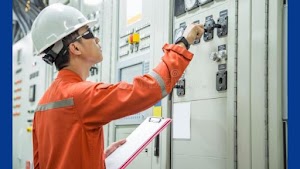
Solar system fault finding involves investigating performance problems, warning messages and electrical faults to determine their likely cause. The diagnostic process depends on the system design, the symptoms reported and the equipment installed.
Common reasons to arrange a solar system inspection include:
The solar inverter displays a warning or error code.
The battery does not charge fully or loses charge unusually quickly.
Solar panels appear to generate less electricity than before.
The inverter or a circuit breaker repeatedly trips.
The monitoring application shows zero or unexpectedly low production.
The system switches between grid, solar and battery power unexpectedly.
The solar installation stops supplying backup power.
The system works intermittently or shuts down without an obvious reason.
Electricity consumption from the grid has increased despite having solar.
The installation has recently been altered or has developed a recurring fault.
These symptoms can have several possible causes. For example, a battery that does not charge may have a communication issue, an incorrect configuration, a charging limitation or a battery fault. Testing the system helps narrow down the possibilities before a repair is recommended.
Common Solar System Problems We Diagnose
Solar Inverter Fault Finding
The inverter is a key part of a solar installation. It manages the conversion and flow of electricity between the solar array, battery, property and grid, depending on the system configuration.
An inverter fault may appear as an error code, warning light, unexpected shutdown or reduced energy production. However, an inverter warning does not necessarily mean the inverter itself has failed.
A fault investigation may consider:
Inverter error messages and event history.
Operating settings and configuration.
Grid supply conditions and relevant protection devices.
Connections and wiring associated with the inverter.
Battery communication and charging behaviour.
Solar array performance and relevant input readings.
Signs of overheating or other visible damage.
Where a confirmed inverter fault requires repair, explore our solar inverter repair service in Cape Town.
If the inverter needs replacement or a new installation, see solar inverter installation in Cape Town and hybrid inverter installation in Cape Town.
Solar Battery Fault Finding
A solar battery that will not charge, discharges too quickly or fails to provide backup power can affect the performance of the entire installation.
Possible causes include battery communication problems, configuration issues, temperature-related protection, charging limitations, a depleted battery, compatibility issues or battery deterioration.
Solar battery fault finding may involve checking available battery status information, inverter settings, relevant error messages and system behaviour. Any testing must follow the equipment manufacturer’s instructions and appropriate electrical safety procedures.
A battery should not automatically be replaced because it is underperforming. The investigation should establish whether the problem originates in the battery or another part of the system.
Related services include:
Solar Panels Producing Less Electricity
If your solar panels are generating less electricity than expected, the cause may be related to shading, dirt, damaged components, faulty connections, inverter readings or changes in operating conditions.
Solar production naturally varies with sunlight, weather, shading and seasonal conditions. A lower reading on a cloudy day does not automatically indicate a fault.
A proper assessment compares the system’s reported performance with the conditions, equipment specifications and available monitoring data. Where necessary, a more detailed inspection can help identify a panel, string or connection problem.
Explore our related services:
Solar System Keeps Tripping
Repeated tripping should not be ignored. A breaker or protective device may disconnect a circuit because it has detected a condition that requires investigation.
Potential causes include an electrical fault, damaged wiring, an equipment problem, moisture ingress, an overloaded circuit or a faulty component. The actual cause must be established through appropriate testing.
Repeatedly resetting a breaker without identifying the cause may leave an underlying safety issue unresolved. If you notice burning smells, unusual heat, smoke or visible electrical damage, keep away from the affected equipment and seek urgent professional assistance.
For related electrical services, visit our electrical fault finding service in Cape Town or solar electrical wiring service.
Solar Monitoring and Communication Problems
Solar monitoring systems help property owners review generation, battery status and electricity consumption. If an application shows the system as offline or displays incomplete data, the problem may involve the internet connection, communications equipment, monitoring configuration or the solar equipment itself.
An offline monitoring application does not always mean the solar system has stopped generating electricity. The system’s actual operating status should be checked separately.
If you need monitoring equipment installed or an existing setup assessed, explore our solar monitoring system installation service in Cape Town.
Solar Wiring, Isolation and Protection Faults
Solar installations contain electrical connections and protective equipment that must work together correctly. Faults involving wiring, isolators, breakers, surge protection or other components can affect system operation and safety.
An appropriate inspection may examine relevant electrical connections, protective devices, isolation arrangements and available test results. The exact checks depend on the equipment and the reported problem.
Related services include solar surge protection in Cape Town, solar changeover switch installation and solar electrical inspection.
How Does Solar System Fault Finding Work?
A systematic diagnostic process helps narrow down the cause of a solar fault and determine the next steps.
1. Understand the Symptoms
The investigation begins by identifying what the system is doing incorrectly. Useful details include when the problem started, whether it happens during the day or at night, which warning messages appear and whether the issue is constant or intermittent.
Information about recent electrical work, equipment changes or power interruptions can also help guide the investigation.
2. Review the Inverter and Monitoring Data
Where the equipment provides this information, the diagnostic process may include reviewing error codes, event logs, production readings, battery status and monitoring history.
These records can help identify when a problem occurred and whether it is associated with a particular operating condition.
3. Inspect Relevant System Components
The next step depends on the symptoms. An inspection may cover accessible equipment, relevant wiring, protective devices, the inverter, battery connections and solar array components.
The purpose is to identify evidence that helps distinguish between possible causes rather than assuming that the first component displaying an error is defective.
4. Carry Out Appropriate Electrical Tests
Where required, suitable testing can help assess the affected circuits and equipment. Tests must be selected according to the system design, equipment specifications and applicable safety procedures.
Solar installations can involve hazardous DC and AC voltages. Testing inside electrical enclosures or on live circuits should only be carried out by appropriately qualified personnel using suitable equipment and procedures.
5. Explain the Findings and Recommended Action
Once the fault has been investigated, the findings should be explained clearly. Depending on the results, the next step may involve a setting correction, component repair, battery assessment, wiring repair, system maintenance or further testing.
The recommended work should reflect the identified problem. Replacing expensive components without sufficient diagnostic evidence may not resolve the underlying issue.
6. Verify the System After the Repair
Following an approved repair, relevant checks should be performed to confirm that the affected equipment operates as expected. Where applicable, this may include checking error status, operating readings, charging behaviour or system monitoring.
The verification steps depend on the nature of the fault and the manufacturer’s requirements.
Why Is My Solar System Not Working?
A solar system can stop working or underperform for several reasons. The symptom alone is not enough to confirm the cause.
| Symptom | Possible causes to investigate |
|---|---|
| Inverter displays an error | Grid conditions, configuration, temperature, battery communication or equipment fault |
| Battery is not charging | Charging settings, battery status, communication, available solar energy or a component fault |
| Battery drains quickly | High connected loads, reduced usable capacity, configuration or battery deterioration |
| Solar production is low | Weather, shading, dirt, panel or wiring issues, inverter readings or system configuration |
| Breaker keeps tripping | Circuit fault, damaged wiring, equipment problem or protection-device issue |
| Monitoring app is offline | Internet connection, communications equipment, monitoring settings or equipment status |
| Backup power does not operate | Inverter capability, battery status, backup configuration or changeover arrangements |
| Electricity bill increases | Seasonal production changes, higher consumption, reduced generation or system performance issues |
This table is a troubleshooting guide, not a substitute for an inspection. The correct diagnosis depends on the installed equipment and test results.
Solar System Fault Finding for Homes and Businesses
Residential Solar Fault Finding
Homeowners may need solar fault finding when the inverter shows an error, the battery does not charge properly or the system no longer supplies the expected electricity.
A residential inspection should consider household electricity consumption, essential backup circuits, the condition of the existing installation and the equipment’s recorded performance.
For new residential solar projects, visit our residential solar installation service in Cape Town.
Commercial Solar System Diagnostics
Businesses may experience operational disruption when solar equipment underperforms or backup power becomes unavailable. The effect depends on the business’s electrical demand and the equipment supplied by the system.
A commercial fault investigation may need to consider operating schedules, energy production, battery behaviour, inverter capacity and the circuits that support essential operations.
For related services, see commercial solar installation in Cape Town.
Solar Backup Power Faults
If your property loses backup power during a grid interruption, the cause may involve battery charge, inverter configuration, the selected backup circuits or the changeover arrangement.
Not all grid-connected solar systems provide electricity during a power outage. The equipment must support backup operation and be installed and configured appropriately.
If the issue relates to your backup setup, explore solar backup power installation in Cape Town and solar battery backup installation.
Solar System Maintenance and Fault Prevention
Regular checks can help identify performance changes and visible problems before they become more disruptive. Maintenance requirements vary by equipment type, installation conditions and manufacturer guidance.
Useful maintenance practices include:
Reviewing available inverter and battery alerts.
Monitoring changes in solar production and energy consumption.
Keeping equipment accessible and free from obstructed ventilation.
Arranging inspection when repeated warnings or unusual behaviour appear.
Following manufacturer guidance for battery and inverter maintenance.
Having electrical connections and protection equipment assessed where required.
Ensuring changes to the system are properly evaluated and documented.
Maintenance does not guarantee that faults will never occur, but monitoring performance can help identify changes that deserve investigation.
Learn more about our solar system maintenance service in Cape Town.
If the system requires a broader review rather than a single fault investigation, our solar power system assessment service may also be relevant.
Solar System Fault Finding and Compliance in Cape Town
Solar system repairs and modifications should take account of the applicable electrical safety and authorisation requirements.
The City of Cape Town states that solar PV systems within its electricity supply area must be authorised. Its current guidance also says that new solar PV and/or battery systems are treated as grid-tied for authorisation purposes, require City-approved inverters and professional sign-off, and must be authorised before being switched on. Properties in Eskom’s area of supply should check the relevant requirements with Eskom. Read the City of Cape Town’s official embedded-generation authorisation guidance.
If fault finding identifies work that affects the electrical installation, the appropriate inspection, testing, documentation and certification requirements should be confirmed for the specific circumstances.
For related services, see our electrical compliance certificate service in Cape Town.
Solar System Fault Finding Areas in Cape Town
If you are searching for solar system fault finding near you, use your suburb and the type of fault when enquiring. This helps clarify the property location and the assistance required.
Relevant local search phrases include:
Solar system fault finding Cape Town.
Solar inverter fault finding Cape Town.
Solar battery fault finding Cape Town.
Solar system repairs in Bellville.
Solar troubleshooting in Durbanville.
Solar inverter problems in Milnerton.
Solar battery not charging in Table View.
Solar system inspection in Somerset West.
Solar maintenance in the Northern Suburbs.
Solar electrical fault finding in the Southern Suburbs.
Service availability should be confirmed for your specific address. RomElectrical should only list suburbs it can genuinely serve, and each location page should provide useful information rather than repeating identical content with different suburb names.
Frequently Asked Questions
What is solar system fault finding?
Solar system fault finding is the process of investigating a solar installation that is not operating correctly. It may involve reviewing inverter errors, battery status, solar production, wiring, protective equipment and monitoring data to identify the likely cause.
Why is my solar inverter showing an error code?
An inverter error code can relate to grid conditions, temperature, configuration, battery communication, electrical protection or an equipment fault. The meaning depends on the inverter model and the specific code. Check the manufacturer’s guidance and arrange a professional assessment if the issue persists.
Why is my solar battery not charging?
Possible causes include insufficient available solar generation, charging settings, battery communication issues, temperature-related protection, inverter compatibility or battery deterioration. The battery and associated system should be assessed before deciding whether replacement is necessary.
Why is my solar system producing less power than before?
Solar production can change because of weather, seasonal sunlight, shading and electricity demand. A persistent or unexplained decline may also indicate dirty or damaged panels, a connection problem, inverter issues or a configuration change. Comparing monitoring data under similar conditions can help identify unusual performance.
Why does my solar system keep tripping?
Repeated tripping may indicate an electrical fault, a problem with connected equipment, damaged wiring, an overloaded circuit or a protective-device issue. Avoid repeatedly resetting the equipment without identifying the cause.
Can you diagnose a solar system installed by another company?
Whether a system can be assessed depends on the equipment, access, available documentation and the service provider’s capabilities. When enquiring, explain who installed the system, which inverter and battery are fitted, and what symptoms you are experiencing.
Do I need to replace my inverter if it stops working?
Not necessarily. An inverter error may originate from the grid supply, battery communication, configuration, wiring or another component. A proper diagnosis helps determine whether a repair, setting correction or replacement is appropriate.
How much does solar system fault finding cost in Cape Town?
The cost depends on the fault, system complexity, access to equipment and the testing required. Additional repairs or replacement parts may cost extra. Request a quotation that clarifies the inspection scope and any charges for further work.
Can solar fault finding improve system performance?
It can help identify problems that are reducing performance, such as a component fault, configuration issue or electrical connection problem. The improvement depends on the cause identified and whether it can be corrected.
Is it safe to troubleshoot a solar inverter myself?
You can record displayed error codes and review the manufacturer’s user instructions, but you should not open electrical enclosures, handle exposed wiring or perform live electrical tests. Solar equipment can retain hazardous voltages. Arrange appropriate professional assistance for electrical diagnosis and repairs.
Book Solar System Fault Finding in Cape Town
Is your solar inverter showing an error, your battery failing to charge, or your solar installation producing less electricity than expected? The next step is to describe the symptoms and arrange an assessment appropriate to the system.
When contacting RomElectrical, provide:
Your suburb in Cape Town.
The inverter and battery brands and models, if known.
The error code or warning message displayed.
Whether the system is producing electricity, charging the battery and supplying backup power.
When the problem began and whether it occurs intermittently.
Any recent changes, repairs or electrical work.
This information can help clarify the issue before the inspection. The exact cause and repair requirements can only be established through appropriate assessment.
Visit RomElectrical to enquire about solar-related electrical services, or explore solar system maintenance in Cape Town and solar inverter repair in Cape Town.
RomElectrical — Solar System Fault Finding in Cape Town
Identify the problem, understand the recommended solution and make an informed decision about your solar system.